To date, CNaught has not offered carbon credits from clean cookstove projects. We’ve always admired what these projects do for families and communities, but historically, these projects have over-issued credits to their respective carbon impact, and the math didn't hold up.
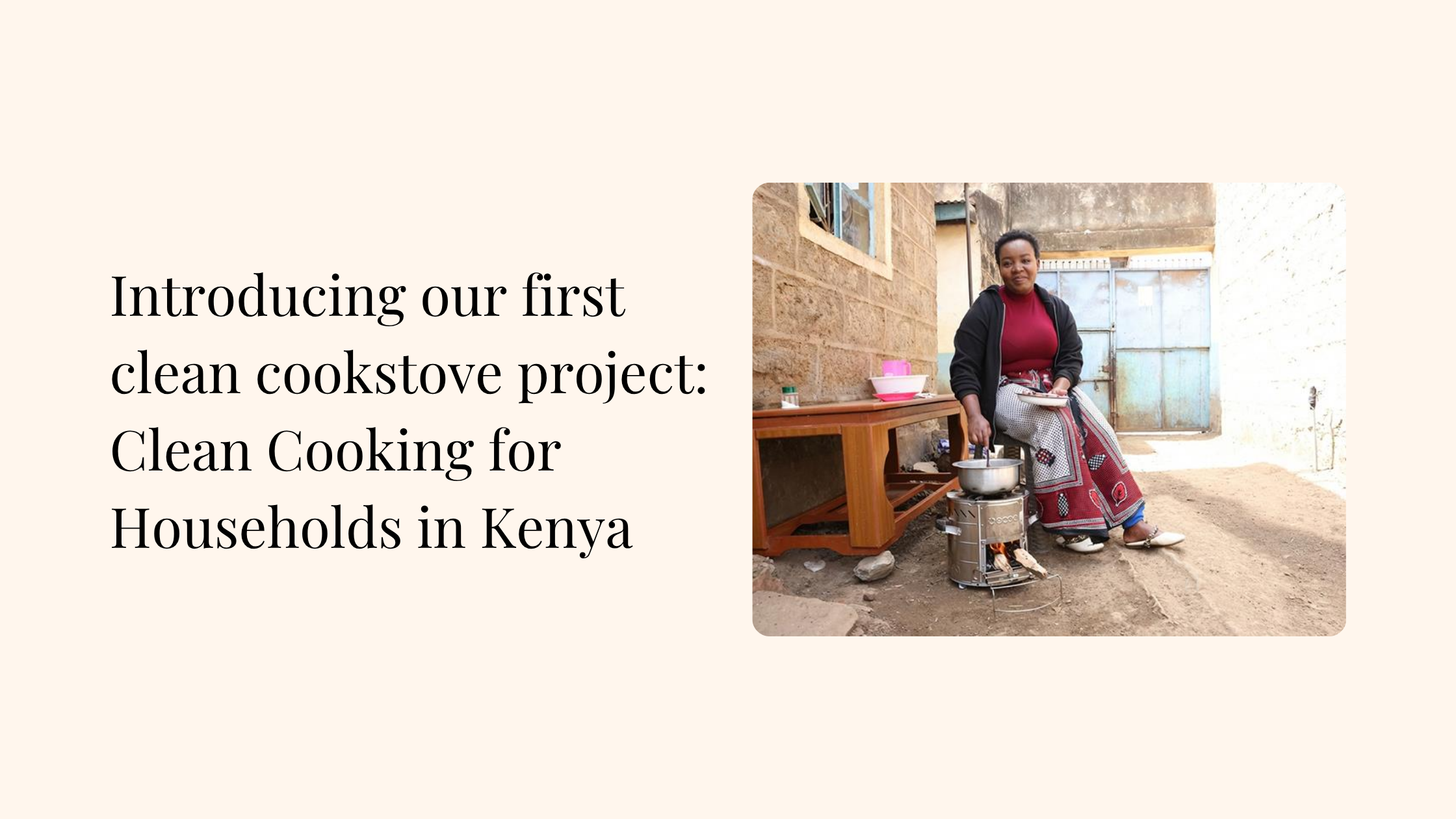
Today we’re offering our first one: Clean Cooking for Households in Kenya, a Gold Standard project (GS 12350) run by BURN which uses a newer methodology built to fix the over-crediting problem. Dive in to learn more about the diligence behind this project and why we’re excited to offer this in our portfolios now.
Why we passed on cookstove carbon projects in the past
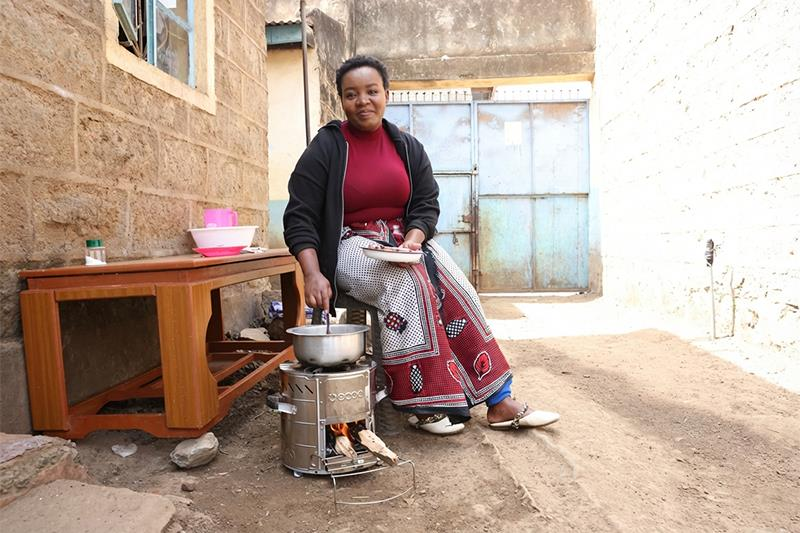
Clean cookstove projects replace open fires with efficient stoves. Besides cutting emissions, the switch has major health and gender equity benefits. Women, who do most of the cooking in these households, get hours back each week, and families breathe in less smoke.
We’ve always valued these benefits, but climate impact is our first priority and older cookstove methodologies had a significant over-crediting risk. A 2024 study from UC Berkeley found that cookstove methodologies over-credit by about nine times on average. The problems mainly came from:
- Inflated baselines: Older projects often assumed most of the wood burned was harvested unsustainably, which overstated the emissions each stove avoided.
- Self-reported use: Many relied on household surveys to show the new stove was in use, and those surveys tended to overstate it.
- Missed behavior: They often didn't account for families using the old fire alongside the new stove, or cooking more once cooking got cheaper.
What this project does differently
The project’s methodology, developed by Gold Standard focused on fixing cookstove crediting, addresses each of these problems.
- Measured fuel savings: Instead of estimating savings from the stove’s rated efficiency, surveyors run Kitchen Performance Tests in homes before and after the switch. They track how much wood households actually burn, which captures rebound cooking and most continued use of open fires.
- A conservative baseline: The project applies a fraction of non-renewable biomass of 29%, in line with the science-based MoFuSS default for Kenya – much lower than the fraction typical cookstove projects assume.
- Verified usage: Each year, stove use is checked against a strict definition of continued use, backed by kitchen observation, photographs and GPS data.
The project is also additional; the stoves are hard to get without carbon funding. Only about 1% of rural Kenyan households have a high-efficiency stove (ISO Tier 3 or above), so carbon revenue is what makes them affordable.
Cookstove project limitations
While the methodology addresses overcrediting concerns, direct observation is expensive, so the project observes a fairly small number of households compared with the number of stoves it has distributed. That means the measured savings rest on a narrower evidence base than we'd ideally like to see. The project accounts for this by applying a conservative discount for uncertainty in stove use, which is a reasonable trade-off.
Benefits for families and communities
Along with cutting emissions, the project:
- Give women time back: Women in participating households save as much as 104 minutes a day: 79 minutes on cooking and 25 minutes on collecting firewood
- Creates local jobs: The project has created 195 local jobs, and about a third of the jobs in the most recent period went to women
- Lowers costs: Households that buy firewood save up to 56% on fuel
- Provides cleaner air: Less smoke in the kitchen means better indoor air for the whole family
- Has ripple effects: Lower demand for firewood also takes pressure off nearby forests and farmland
Finding high-quality cookstove projects
This project carries the ICVCM’s Core Carbon Principles (CCP) label and is highly rated by BeZero and Calyx Global. We’re excited that high-quality cookstove projects now exist, but telling them apart from the many older, over-credited ones takes project-level diligence. We do that work on behalf of our customers.
If you've avoided cookstove credits in the past, or you've wanted one in your portfolio and weren't sure which to trust, reach out to our team to learn more about this project.