
Every project tells a story
From landfill gas capture and biochar to improved forest management and peatland conservation, explore some of the high-integrity projects in CNaught’s portfolios.
 Technology-based Reductions
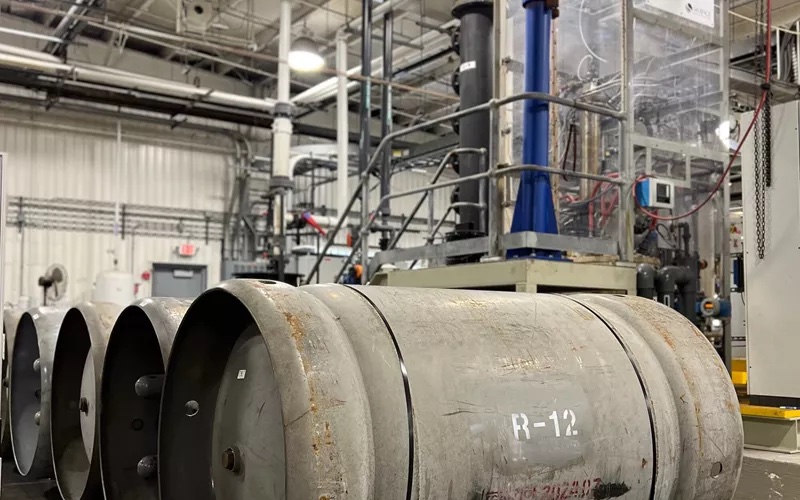
A-Gas South Korea 1
This project destroys CFCs obtained from sources across South Korea and transported to Bowling Green, Ohio for destruction, starting November 2022. The project has high additionality because ODS destruction is not required within Korea and is not financially attractive without carbon revenue.
 Technology-based Reductions
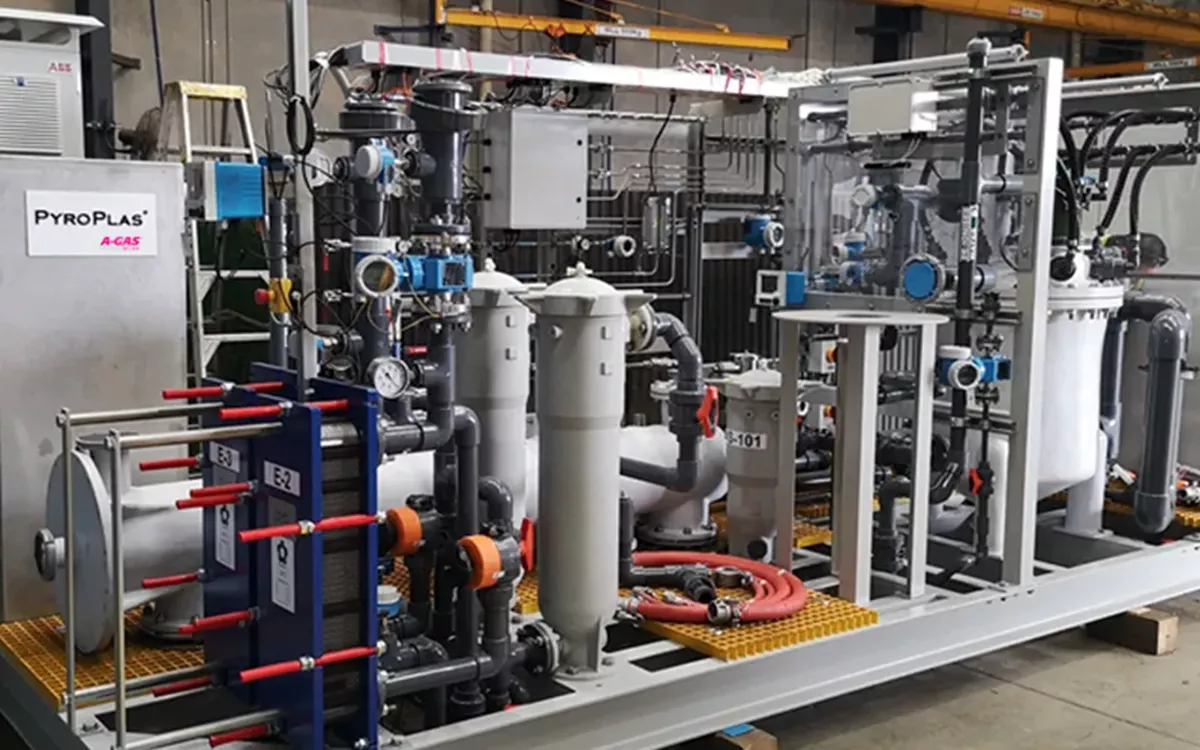
A-Gas South Korea 3
This project transports harmful ozone depleting substances into the United States where it permanently destroys them.
 Technology-based Reductions
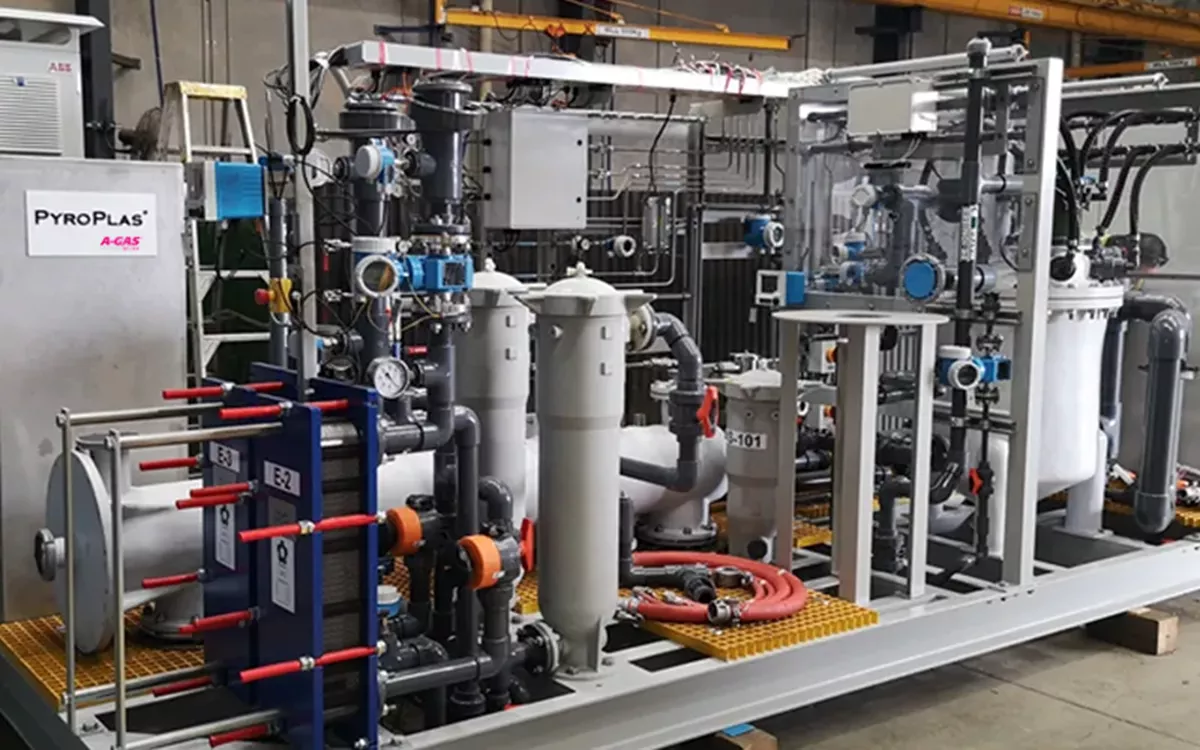
A-Gas South Korea 4
This project transports harmful ozone depleting substances into the United States where it permanently destroys them.
 Technology-based Reductions
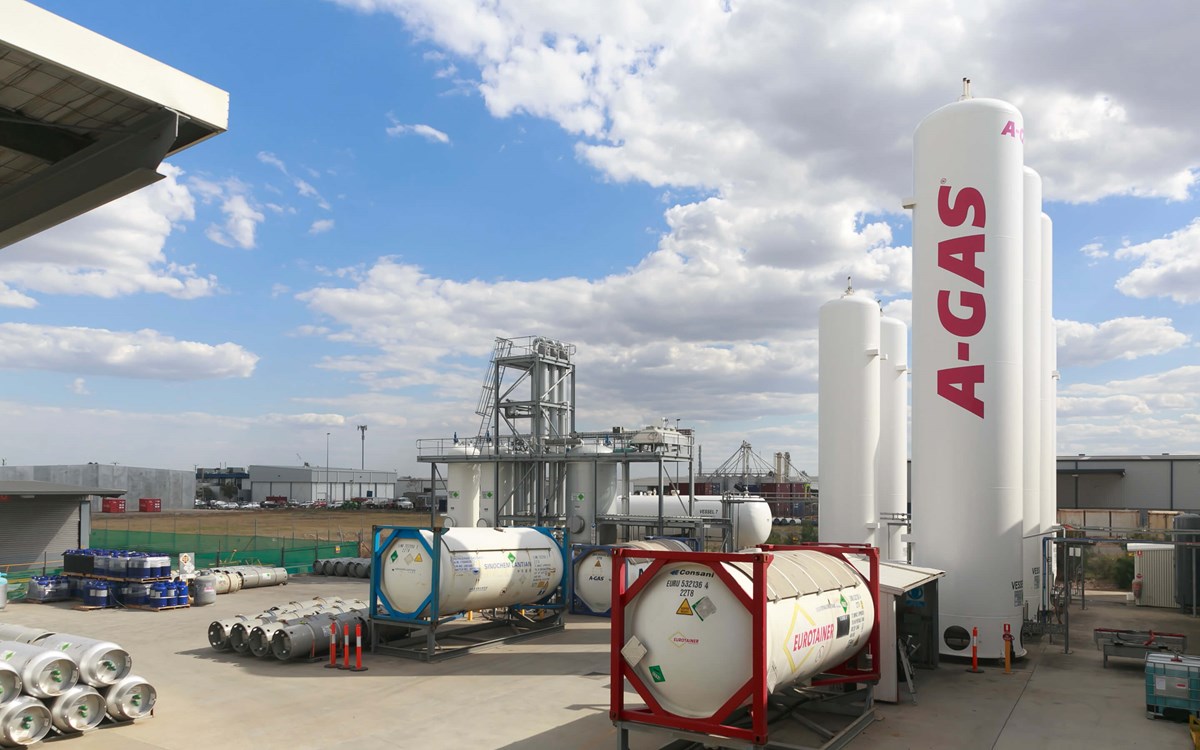
A-Gas South Korea 5
This project transports harmful ozone depleting substances into the United States where it permanently destroys them.
.jpg) Nature-based Reductions
Nature-based ReductionsBottomland Forests of the Louisiana Plains
This is an improved forest management project that works with local landowners in Louisiana and Mississippi to protect their forests.
 Technology-based Reductions
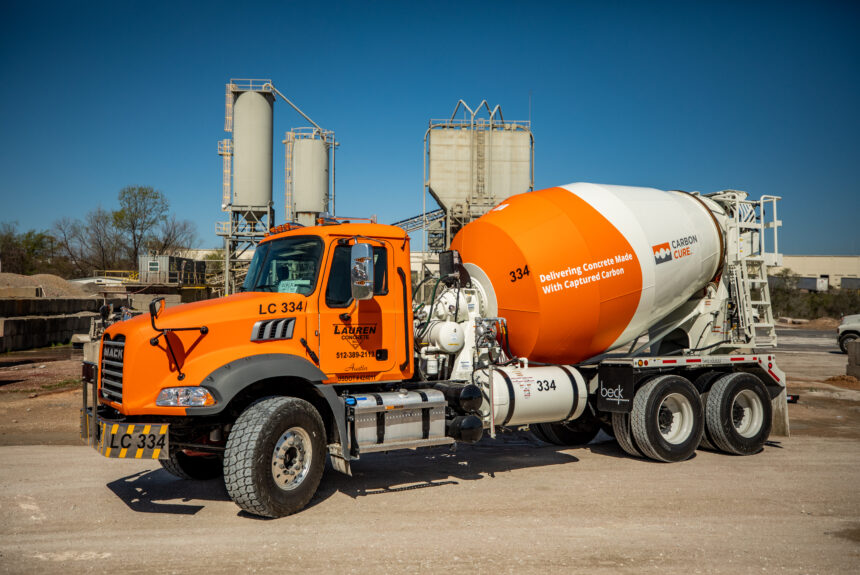
CarbonCure 1
This project captures waste CO2 and injects it into concrete during manufacturing, permanently mineralizing the CO2 while simultaneously reducing Portland cement usage. The dual approach both removes CO2 from the atmosphere through permanent sequestration and reduces emissions from cement production.
 Technology-based Reductions
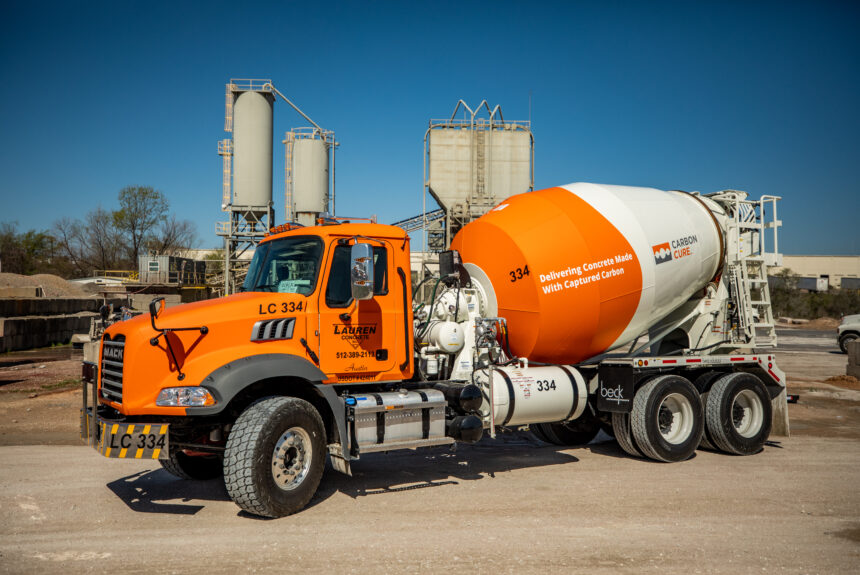
CarbonCure 2
This project uses waste CO2 as part of the concrete manufacturing process and thereby both stores that CO2 permanently in concrete and further reduces carbon emissions by using less Portland cement as a concrete ingredient.
 Technology-based Removals
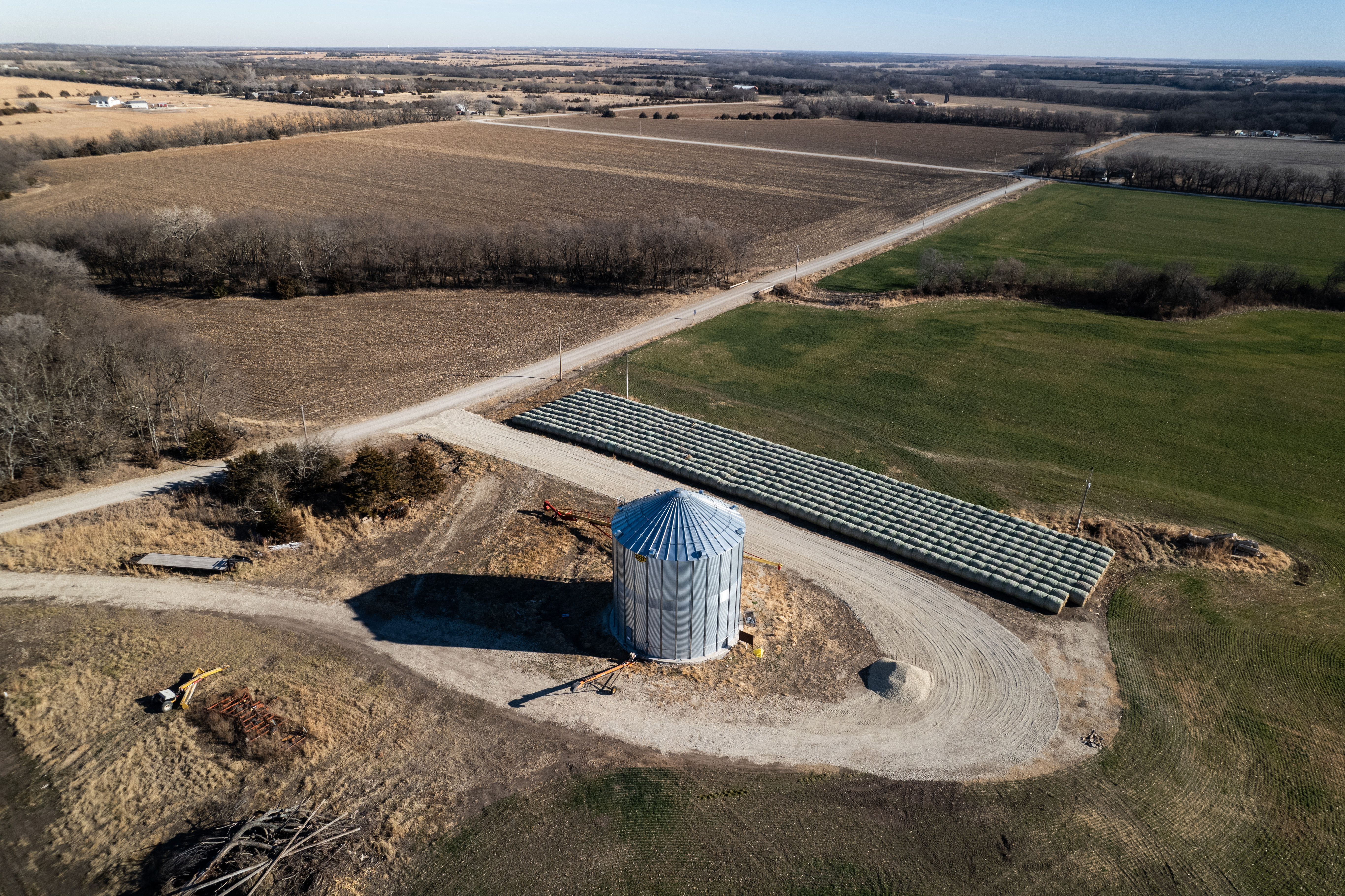
Charm Industrial Bio Oil
Charm collects waste from plants that have captured carbon dioxide from the atmosphere, applies a heating process called pyrolysis that converts the plant waste into bio-oil, and injects that bio oil into deep wells or caverns where it hardens and will be stored permanently instead of being released to the atmosphere as the plants decay.
 Technology-based Reductions
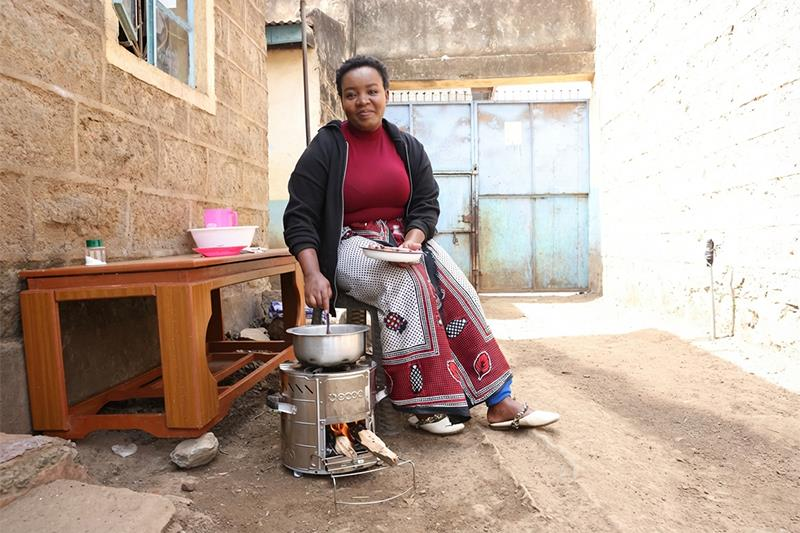
Clean Cooking for Households in Kenya
This project distributes clean cookstoves to rural households in Kenya